Solar batteries - pros and cons
Should I get a battery with my solar system?
Batteries are a strong long-term investment for many people, but they are not for everyone. They cost more upfront and the payback is slower than what you would get from solar panels alone. Whether a battery suits you depends on how you use electricity, your budget, and how your system is set up.
What are the benefits of adding a battery?
You can store spare electricity generated during the day and use it at night. This means you avoid buying electricity from the grid in the evening, which saves you money.
You can charge the battery overnight on a very cheap night rate and use that power in the morning when electricity costs more. This can reduce the cost of your morning routine to half or even a quarter of what it would be on a standard tariff.
You rely less on selling excess power back to the grid at lower rates. Instead, you use more of your own electricity.
Case study: battery setup in practice
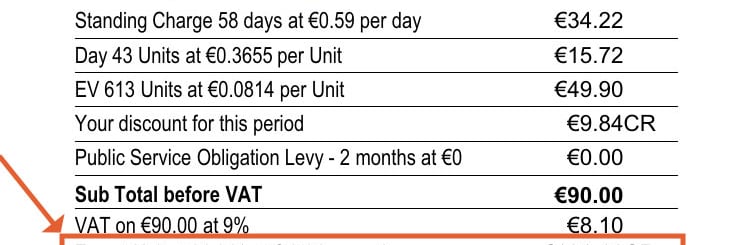
Our installer shared his own usage to explain how a well-set-up battery system performs. Over a full year, he paid almost nothing for electricity. A kilowatt hour is one unit of electricity, the same unit your bill is measured in. He charged his battery every night on a low night rate (just under 8 cent per unit), and used that power through the day. Any extra power was sold back to the grid at 20 cent per unit. Even with heavy usage and charging an electric car every night, he remained in credit, not just breaking even but ahead.
Most new systems now include batteries, and many PureVolt clients are getting bills that show little or no usage from the grid on certain days. By charging at the right time and selling at the right time, customers are seeing strong returns. Even those without electric vehicles are seeing large savings.
What if I don't have a battery?
Without a battery, you use your solar electricity as it is generated. If your usage is mostly during daylight hours, this can work well. Any unused electricity is sold back to the grid.
However, if most of your usage is in the evening or early morning, you have no way to store your own power, so you will be buying from the grid at those times. That can be fine for someone with steady daytime electricity use, but for heavier users or those who are home in the evenings, a battery gives far better value.
You can check the current export rates in our guide to the Clean Export Guarantee - the best rates are currently around 20 cents / kWh, and they change from time to time. That means sunny days can still pay well even without a battery, provided your usage suits it.
What are the downsides of batteries?
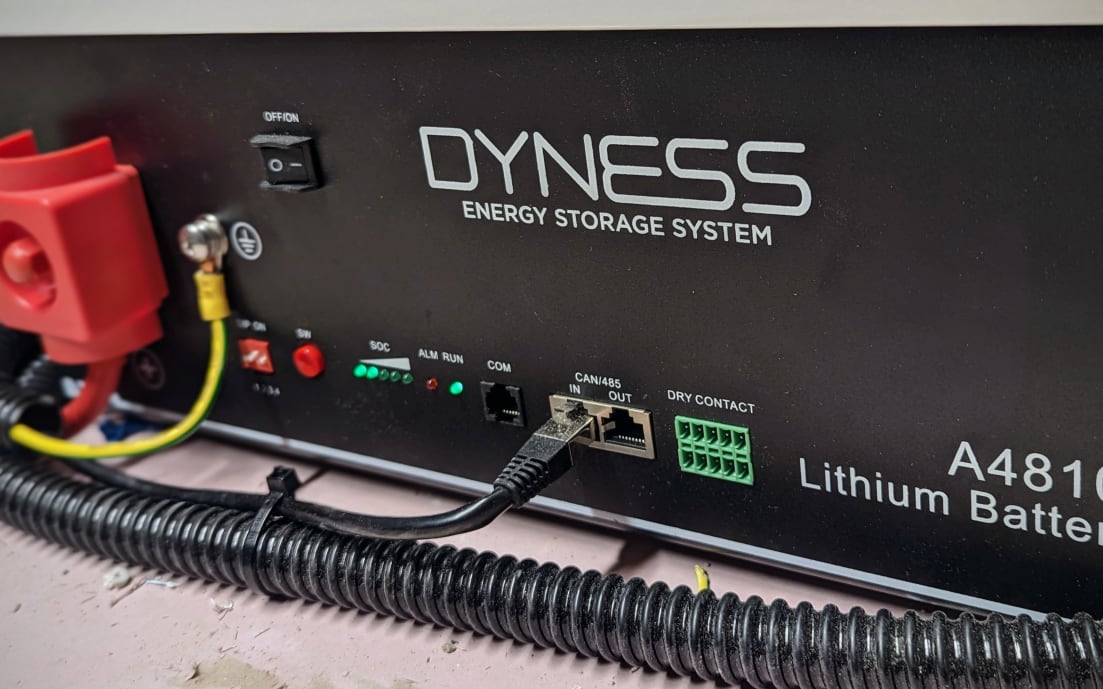
Batteries cost more upfront, though if they are installed at the same time as your panels they qualify for a VAT exemption that you will not get if you add the battery later. They also need a particular type of inverter. A hybrid inverter is one that can handle both your panels and a battery, and it costs more than a standard inverter.
Depending on the size and brand, adding a battery means paying for the battery itself, which is around €1,300 - €1,400, plus a hybrid inverter, which costs roughly €200 - €400 more than the standard inverter you would otherwise have.
The payback is slower than for solar panels. If your budget is limited, we usually recommend maximising your panel count first and adding a battery later if it makes sense.
To get the best value from a battery, you should be on a tariff with a cheap overnight rate. Most suppliers call these night-saver or smart tariffs. This may mean switching suppliers.
Retrofitting a battery: what to know
Adding a battery to a system that was not originally set up for one is called retrofitting. It is possible, but there are trade-offs.
Newer equipment, such as the EcoFlow device, means you can keep the inverter you already have and add a kit that lets a battery connect. This avoids the need for major rewiring. The kit connects between your panels and your existing inverter, using a single unit and cable.
However, there are a few important points to consider:
It is possible, but it is more expensive than including the battery from the start.
If you buy a battery later on its own, you will pay VAT. If you include the battery as part of a full solar installation (panels, inverter, battery), there is no VAT. This is a government incentive that applies only to full system purchases. See our guide to the 0% VAT rate for solar for the full details.
You will also pay more in labour and site callout, as it is treated as a separate job.
In short: a battery is always cheaper to include at the start than to add later. A retrofit is treated as a separate job, so it attracts VAT and a second callout.
Hybrid inverters, which come as standard in most battery-ready systems, let you add a battery later. So if you are not ready to install a battery now, but think you might in future, make sure you install a hybrid inverter with your solar panels.
In summary
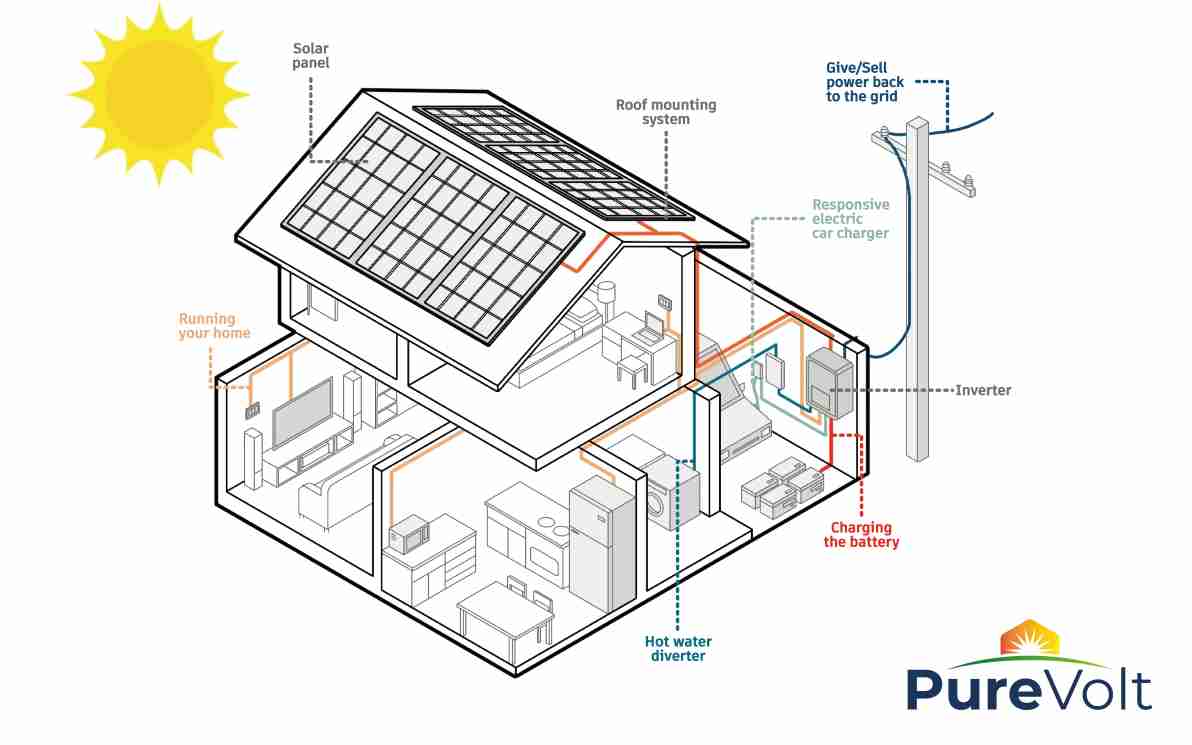
Batteries make sense for many homes, but not all. If your electricity use is spread through the day and evening, or if you want to make use of cheap night rates, a battery gives strong long-term savings. If your budget is limited or you use most of your electricity during the day, a battery may not be essential right now.
Adding a battery later is always possible, but it will cost more. If you are considering one, it is worth thinking about your full setup at the start.
You can explore costs and savings with our solar battery guide, or check out our solar battery calculator. It shows when you are likely to see a return and how much you could save. Still not sure? Talk to the team at PureVolt.ie. We will walk through your setup and help you decide what works best for your home and your budget.
Need a hand?
Get in touch with your installation team at PureVolt.ie and we can advise you on your solar battery options and retrofitting!
You might also find these guides useful:
- How to add a battery — everything you need to know about adding battery storage.
- Our solar battery brands — compare battery brands we install.
- Solar battery guide — full guide to costs, savings, and how batteries work.